
Night driving can feel intimidating for many learners, but it is a crucial skill that ensures safety, confidence, and real-world readiness. Night driving lessons in Melbourne’s Eastern Suburbs allow learners to practise in low-light conditions, manage glare, judge distances accurately, and anticipate hazards. With structured lessons, learners gain skills and confidence that daytime driving alone cannot provide.
Why Night Driving Lessons Are Important
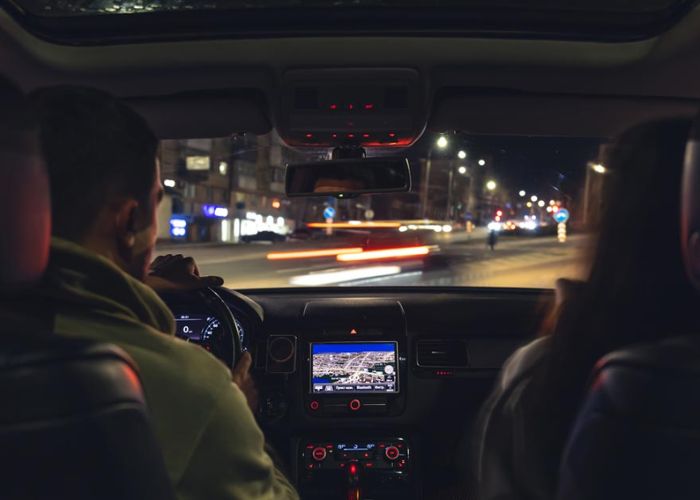
Driving at night is very different from daytime driving. Reduced visibility, glare from headlights, and hidden hazards like pedestrians or animals increase risk. Learners often underestimate these challenges, making dedicated night lessons invaluable. A professional instructor guides you through low-light conditions, teaches proper headlight use, and ensures you know how to adjust mirrors and speed for safety.
Practising in real traffic at night allows learners to build confidence before they encounter these situations alone. It’s not just about passing your P’s; it’s about being a capable and alert driver under all conditions. Night driving lessons bridge the gap between theory and the unpredictability of real roads.
Key Skills You Learn in Night Driving Lessons
Night driving lessons in the Eastern Suburbs focus on practical skills and safety:
- Headlight Management: Using dip and high beams appropriately, understanding glare, and keeping visibility clear.
- Judging Distances: Estimating gaps between cars, pedestrians, and obstacles is harder at night, making guidance essential.
- Hazard Anticipation: Spotting pedestrians, cyclists, animals, and sudden changes in traffic is emphasised.
- Mirror Adjustment: Night lessons train learners to manage reflections and glare from other vehicles.
- Speed Control: Learners adapt to reduced visibility by practising smooth braking, controlled acceleration, and safe lane positioning.
These skills are difficult to master without supervised practice, and night lessons allow learners to do so in a structured, safe environment.
Common Concerns About Night Lessons
Many new drivers worry that night driving lessons are too difficult or risky. Some believe beginners should stick to daytime practice. While it’s true that some daytime experience is beneficial first, night lessons are tailored to learner levels. Instructors start with low-traffic areas, such as quiet streets or car parks, gradually moving to busier roads.
Another concern is fatigue. Driving at night requires alertness, so instructors emphasise starting lessons when the learner is well-rested. Hydration and mental focus are also discussed. With proper preparation and supervision, these lessons are safe and highly effective.
Choosing the Right Night Driving Lesson Program
Not all night lessons are the same. Learners should look for programs that include:
- Experienced, Patient Instructors: Instructors familiar with local Eastern Suburbs roads help learners anticipate real-life challenges.
- Dual-Control Vehicles: Safety is key. Dual-control cars allow the instructor to intervene instantly if needed.
- Flexible Scheduling: Evening or weekend slots reduce stress and accommodate busy learners.
- Structured Curriculum: Lessons should progress logically from simple, low-traffic practice to complex urban driving.
A professional program like this ensures that learners gain practical skills and confidence efficiently.
Benefits of Night Driving Lessons
Investing in night driving lessons offers multiple advantages:
- Realistic Experience: Learners face the same conditions they will encounter as independent drivers.
- Confidence Boost: Regular practice reduces anxiety and hesitation in low-light scenarios.
- Hazard Preparedness: Exposure to real-life night hazards improves decision-making and reaction time.
- Flexible Practice Opportunities: Evening lessons often occur in calmer traffic, making learning less stressful.
Overall, learners who complete night lessons feel more competent and safer behind the wheel.
Practical Tips for Learners
To make the most of night driving lessons in Melbourne’s Eastern Suburbs:
- Start with Daytime Experience: Gain confidence in vehicle control before moving to night lessons.
- Communicate With Your Instructor: Let them know your concerns — glare, intersections, or highway driving.
- Plan for Rest and Focus: Avoid scheduling lessons late if tired; alertness is crucial.
- Use the Lessons Strategically: Focus on skills like lane positioning, stopping distances, and reading signs at night.
Following these night driving tips enhances the value of night driving lessons and accelerates learning.
Are Night Driving Lessons Worth It?
Absolutely. Learners who only practise during the day often face stress and hesitation when driving at night. Night lessons provide structured exposure to conditions learners must master for safety and independence. The combination of professional guidance, real-world scenarios, and confidence-building makes these lessons a worthwhile investment.
For learners in the Eastern Suburbs, programs like Aria Driving School are designed to address these challenges. We provide patient instructors, flexible lesson times, and dual-control cars to make night driving practice safe and effective. Whether you are preparing for your P’s or just improving overall driving skills, our lessons help you become a confident and competent driver.
Conclusion
Night driving lessons in Melbourne’s Eastern Suburbs are more than just an optional extra — they are essential for safe, confident driving. By practising in low-light conditions under expert supervision, learners gain vital skills, build confidence, and reduce stress. Aria Driving School is here to provide structured, safe, and effective night driving lessons. Contact us today to book your session and master night driving with confidence.
FAQs
Q: When should I start night driving lessons?
A: It’s best to start after you have basic daytime driving experience. Once comfortable with vehicle control and road rules, night lessons provide essential low-light practice.
Q: Are night lessons safe for beginners?
A: Yes, when conducted with an experienced instructor in dual-control vehicles. Start on quiet streets and gradually move to busier roads.
Q: How many night lessons do I need?
A: There is no fixed number. Typically, 3–5 lessons combined with daytime practice gives sufficient confidence for most learners.
Q: What hazards are specific to night driving?
A: Reduced visibility, glare from headlights, pedestrians, cyclists, animals, and poorly lit roads are the main challenges. Lessons focus on recognising and responding to these hazards.
Q: Can night lessons help me pass my P’s test?
A: Yes. Many tests may include low-light driving scenarios, and confidence at night improves your overall readiness for any driving test situation.
Q: Do I need special equipment for night lessons?
A: Standard vehicles with working headlights are sufficient. Glasses or contact lenses for clear vision are recommended if needed.